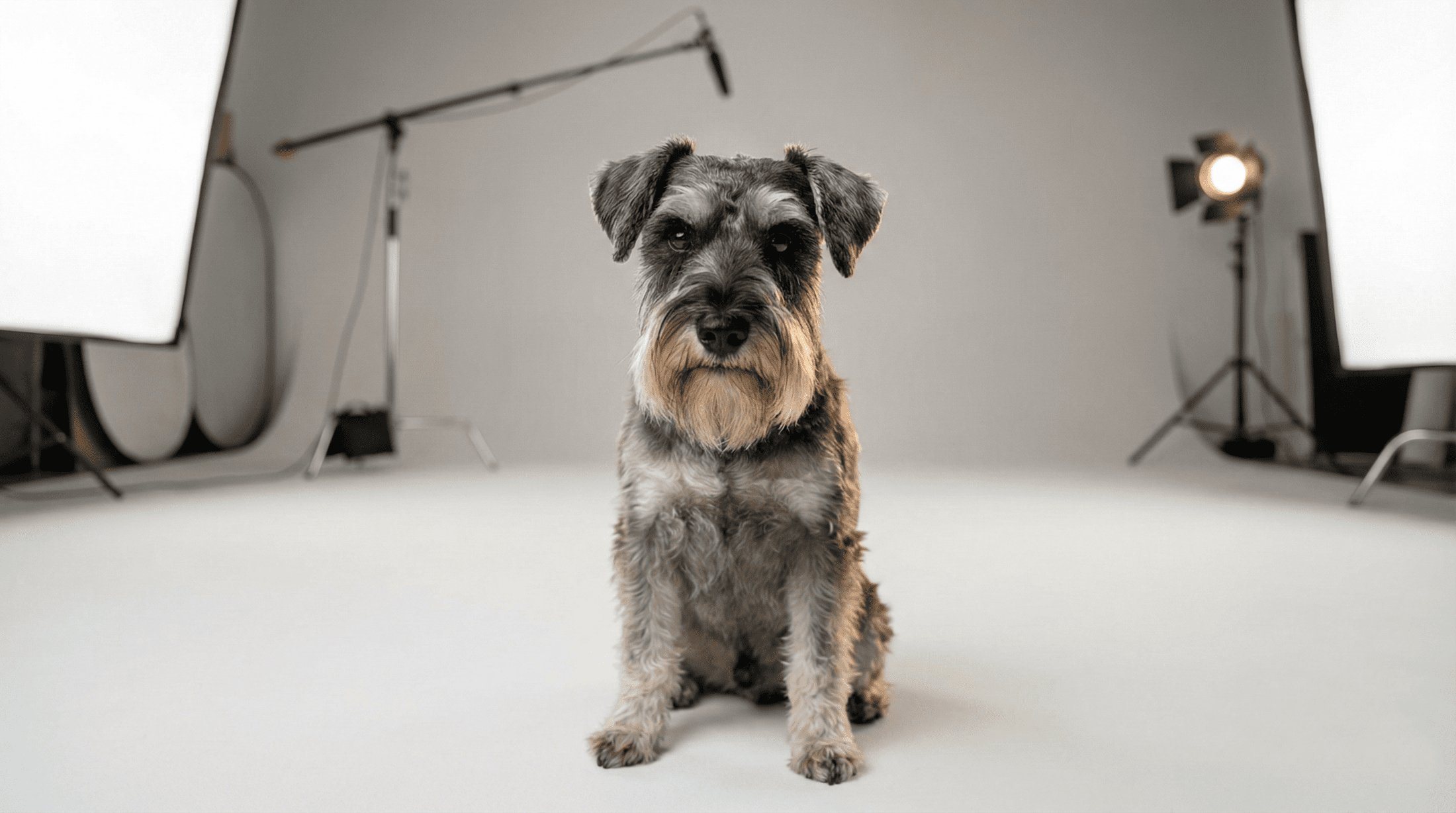
Miniature Schnauzer at a glance
| Lifespan |
12 to 15 years |
| Adult weight |
5 to 9 kg |
| Grooming |
A professional clip about every six weeks (around $71 a session) |
| Food cost |
About $44 to $94 a month |
| Lifetime cost |
About $23,000 to $33,200 over 12 years (calculator below) |
| Main health risks |
Pancreatitis, high blood fats (hyperlipidaemia), diabetes, bladder stones, progressive retinal atrophy |
How much does a Miniature Schnauzer cost in Australia?
Our cost model puts the lifetime cost at about $23,000 in a low-cost scenario and about $33,200 in our standard scenario, over a 12-year life. Grooming is one of the biggest ongoing costs: the wiry coat does not shed much, so it needs clipping or hand-stripping about every six weeks. Puppy prices vary between breeders; enter your own figure in the calculator below.
Why diet matters for this breed
Miniature Schnauzers are prone to high levels of fat in the blood, which raises the risk of pancreatitis, a painful and sometimes serious illness. A lower-fat diet, no fatty table scraps, and keeping your dog lean are the most useful everyday precautions. Ask your vet about a blood test if your Schnauzer has repeated tummy upsets.
A terrier that behaves like a working dog
The Miniature Schnauzer was developed in Germany as a farm ratter, scaled down from the Standard Schnauzer. Unlike most terriers, it was bred to work alongside people rather than independently underground, and that difference shows in the temperament: this is one of the most biddable terriers you will meet, with a top-15 working-intelligence ranking and a trainability score of 4.
The practical translation is a small dog that genuinely enjoys training and is capable of a great deal more than most owners ask of it. It is also alert to the point of vocal — the Schnauzer was a watchdog as well as a ratter, and barking at arrivals is breed-typical. That is manageable with early work on a “that’s enough” cue, and much harder to address once it has become a five-year habit.
At 5 to 9 kilograms with high energy and an hour of daily exercise required, this is not a lapdog in a small body. It is a working breed in a small body, and it needs the mental half of that hour as much as the physical.
Fat metabolism: this breed’s distinguishing medical issue
The Miniature Schnauzer is over-represented for a cluster of related metabolic conditions, and they connect to one another. Understanding the chain matters more than memorising the list.
Hyperlipidaemia
Miniature Schnauzers are notably predisposed to elevated blood fats — triglycerides in particular — often idiopathically rather than because of diet alone. It is frequently silent, and it is detectable on a routine fasted blood panel.
This is the fact that makes the rest actionable. Ask your vet to check a fasted triglyceride level as part of routine bloods, because hyperlipidaemia is a recognised risk factor for the next item on this list.
Pancreatitis
Inflammation of the pancreas, and the emergency most Miniature Schnauzer owners eventually encounter. The presentation is repeated vomiting, abdominal pain (a dog that adopts a “praying” posture with forelegs down and rear up), lethargy and refusal to eat. It ranges from unpleasant to life-threatening and needs same-day veterinary attention.
Prevention is unglamorous and effective: keep the dog lean, feed a consistent low-fat diet, and be strict about scraps. A single serving of something rich — roast fat, butter, barbecue trimmings — is a classic trigger. In an Australian household this means the Christmas table and the summer barbecue are genuine risks, and everyone in the house needs to know it, not just the person who feeds the dog.
Diabetes mellitus
The breed is also predisposed to diabetes, and recurrent pancreatitis can damage the pancreas enough to contribute. The early signs are easy to miss and easy to check: drinking noticeably more, urinating more, weight loss despite a good appetite. Mention any of those to your vet rather than waiting for the next annual visit.
Urolithiasis
Bladder stones, particularly calcium oxalate, occur disproportionately in this breed. Straining to urinate, blood in the urine, frequent small attempts, or — in a male dog — straining and producing nothing is an emergency, because a blocked urethra is fatal within hours. Ensure constant access to water and encourage drinking.
Eyes
Progressive retinal atrophy occurs in the breed and is DNA-testable; ask a breeder for the parents’ results.
The coat
The Miniature Schnauzer carries a hard, wiry outer coat over a soft undercoat, and sheds very little — which is not the same as hypoallergenic, since no dog is.
Traditionally the harsh jacket is maintained by hand-stripping, which removes dead hair at the root so a new wiry coat grows in. Clipping cuts it instead, and over successive clips the coat comes back softer, paler and woollier, and mats more readily. Most Australian pet Schnauzers are clipped every six to eight weeks and do perfectly well; it is simply worth knowing it is a one-way choice in practice.
Whichever you choose, the beard and leg furnishings need attention. The beard collects food and water and will sour if it is not cleaned and dried — a daily wipe after meals prevents both the smell and the skin irritation underneath.
Exercise and Australian conditions
An hour a day, with a real mental component. Scent work, trick training, obedience and food puzzles all suit a bright, willing terrier. An under-occupied Miniature Schnauzer barks and digs, which is the breed telling you it has nothing better to do.
The prey drive is genuine — this was a ratter — so secure fencing matters and small pets need managing. In summer apply the standard rules for a small dog close to hot ground: walk early or late, carry water, and check the pavement with the back of your hand.
Ownership in Australia
In Victoria, microchipping and council registration are required from three months of age under the Domestic Animals Act 1994, renewing annually on 10 April. Desexed registration across the Victorian councils in our fee survey ranged from about $19.50 to $93.30 a year.
Two recurring costs define this breed: grooming every six to eight weeks for life, and dietary discipline. The second costs nothing and prevents the most expensive thing that is likely to happen to your dog.
Registration is set by your local council. In Victoria, registering a desexed Miniature Schnauzer costs between $19.50 and $93.30 a year depending on where you live, and roughly three times that if the dog is not desexed. See every Victorian council’s 2026–27 fee, or compare registration costs in every state.
Related breeds
The Miniature Schnauzer, originating from Germany, is classified as a purebred terrier. This breed typically weighs between 5 to 9 kilograms and has an average lifespan of 12 to 15 years. Known for its low-shedding, dense, and wiry coat, this breed requires high grooming maintenance. The Miniature Schnauzer exhibits high energy levels and necessitates at least 60 minutes of daily exercise. It has a high trainability score and is characterised by a friendly, intelligent, alert, and obedient temperament. Although good with children, it shows moderate compatibility with other pets and may exhibit moderate separation anxiety. Key health issues include pancreatitis, progressive retinal atrophy (PRA), hyperlipidemia, diabetes mellitus, and urolithiasis. Estimated first-year puppy cost is approximately AUD 3000, with an annual veterinary cost of AUD 1242 and a contingency fund of AUD 1440.
Bi-annual veterinary checkups are crucial to monitor hereditary conditions such as pancreatitis, progressive retinal atrophy (PRA), hyperlipidemia, diabetes mellitus, and urolithiasis. Early detection and management can prevent severe health impacts, ensuring a longer, healthier lifespan for the breed.
Daily care for a Miniature Schnauzer includes 60 minutes of exercise, incorporating both physical and mental activities. Weekly coat brushing is necessary to maintain the low-shedding, wiry coat, accompanied by regular professional grooming sessions. Dietary management should focus on preventing obesity, given the breed's moderate obesity risk.