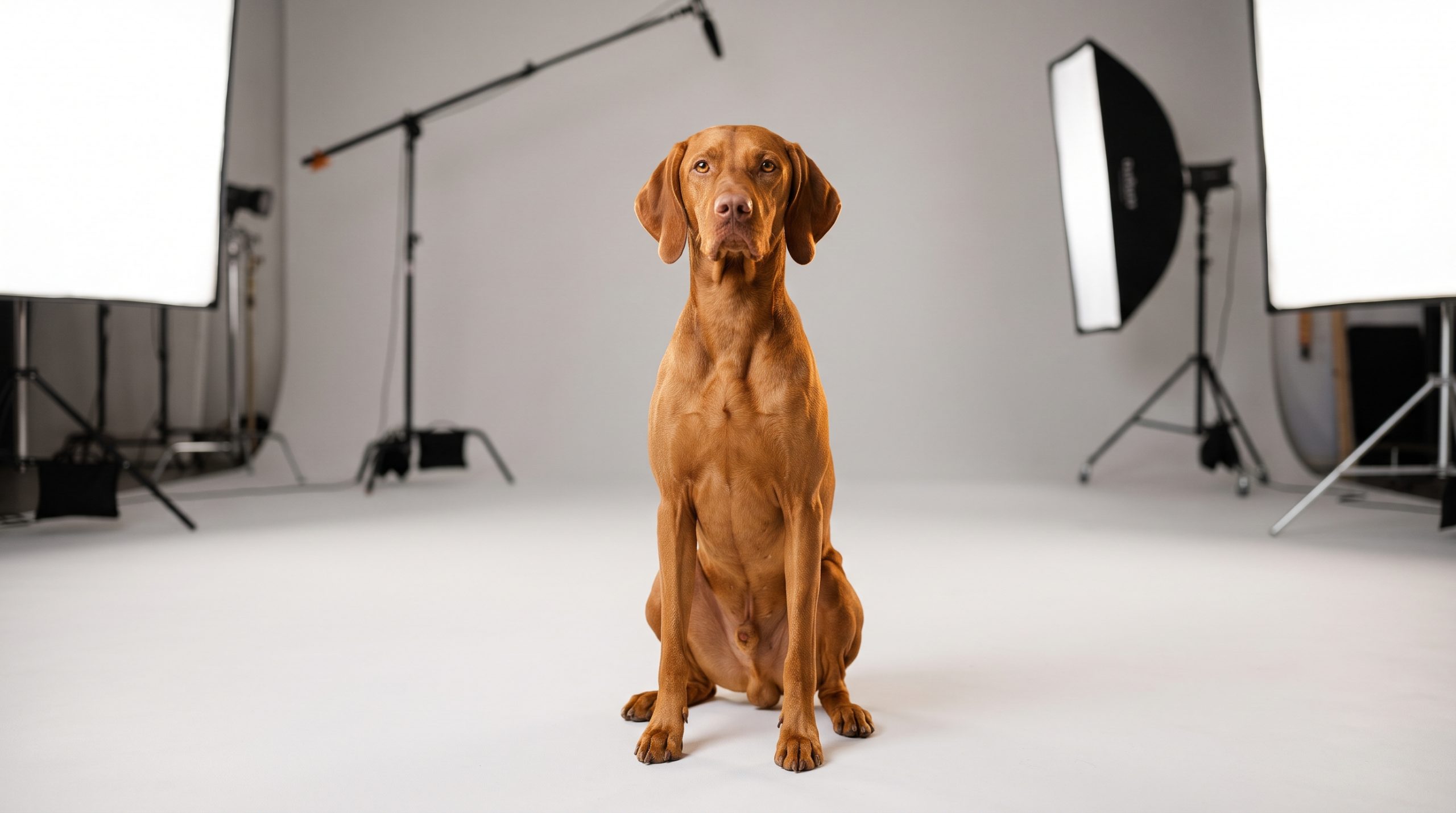
The Hungarian Vizsla is a sleek, athletic gundog of about 18 to 30 kg that usually lives 12 to 14 years. Famously affectionate, it wants to be with its people all the time, needs at least 90 minutes of exercise a day, and suits active owners who are home a lot.
A Vizsla is cheap to groom but costs more to feed than a small dog, and its biggest ongoing need is time rather than money: if you work long hours you may need doggy daycare or a dog walker. The main health costs to plan for are joint problems, epilepsy medication and emergency bloat surgery. Budget about $1,400 a year for vet costs and set aside about $1,600 a year for unexpected bills.
// IS THIS BREED RIGHT FOR YOU?
ThinkPets ratings are our editorial judgement from the breed's size, energy, trainability, temperament and care needs. They are not measured outcomes or probabilities. How we rate
Apartment Living
Fair
Families w/ Kids
Excellent
First-Time Owners
Good
Active Lifestyle
Excellent
Interactive Suitability Assessment
Answer these questions to calculate your personal compatibility score with Hungarian Vizslas.
How much time can you dedicate to exercise daily?
What size is your yard/living space?
Hours the dog will be alone daily?
Your Compatibility
—%
Select options to calculate your compatibility.
// BREED FACTS
Grooming
Coat Type
Short, smooth and dense (wirehaired variety also exists)
Shedding Level
Moderate
Home Brushing
Brush weekly
Professional Grooming
Every 12 weeks
~$60 per session
Exercise
Energy Level
Very High
Daily Requirement
90+ minutes
Activity Type
Running, fetch, sports
Mental Stimulation
High (puzzles, training)
Diet
Daily Intake
2.5 to 3.5 cups
Split into 2 meals
Obesity Risk
Low
Monthly Food Cost
$70 - $120
Premium dry food
Special Considerations
Standard diet
// 01 Breed Profile
The Hungarian Vizsla is a medium-to-large pointing and retrieving gundog with a short, golden-rust coat. Males stand about 57 to 64 cm at the shoulder and females about 53 to 60 cm, and most adults weigh 18 to 30 kg. A wirehaired variety is recognised as a separate breed; this guide covers the smooth Vizsla, which is far more common in Australia.
Vizslas are often called "velcro dogs" because they like to stay in physical contact with their owners. They are gentle, sensitive and eager to please, and they learn quickly with reward-based training. Harsh handling backfires with this breed.
They were bred to work all day in the field, so they need a lot of exercise: at least 90 minutes a day of running, retrieving or scent work, plus training to keep their minds busy. Under-exercised or lonely Vizslas often become destructive or anxious, and separation anxiety is the most common reason they are rehomed.
The short coat is easy to care for but gives little protection from cold, so many Vizslas need a coat on winter mornings and a warm bed indoors. They are generally healthy dogs. The main inherited conditions to screen for are hip and elbow dysplasia and epilepsy, and owners should learn the signs of bloat, an emergency that affects deep-chested breeds.
// 02 Health Considerations
Ask the breeder for hip and elbow scores on both parents, and ask about epilepsy in the family line; there is no DNA test for epilepsy, so an honest breeder history matters. Bloat (gastric dilatation-volvulus) is an emergency in deep-chested dogs: feed two or three smaller meals, avoid hard exercise for an hour either side of meals, and go straight to a vet if your dog has a swollen belly, retches without bringing anything up or seems restless and in pain. Hair loss with scaly skin can be sebaceous adenitis, and weight gain with low energy can be an underactive thyroid; both are diagnosed with simple vet tests.
// 03 Care Requirements
Day to day, a Vizsla needs a long daily run or off-lead session, short training games, company for most of the day and a weekly brush. Keep it lean, check ears weekly, and give it a coat and warm bedding in cold weather. Book an annual vet check, and twice-yearly checks once your dog is around eight.
// 04 FAQs
Most adult Vizslas weigh 18 to 30 kg. Males stand about 57 to 64 cm at the shoulder and females about 53 to 60 cm. They reach full height by about 12 months but keep filling out until around two years old.
Most Vizslas live 12 to 14 years, and many reach 15. Keeping your dog lean, choosing parents with good hip and elbow scores and knowing the signs of bloat give it the best chance of a long life.
They are prone to it. Vizslas are bred to work closely with people and many become distressed when left alone for long periods. Start teaching short, calm absences from puppyhood, give plenty of exercise before you leave, and consider daycare or a dog walker if you work full days away from home.
At least 90 minutes a day, ideally with some off-lead running, plus training or scent games. A Vizsla that only gets a short walk is likely to become restless, noisy or destructive.
Yes, for active families. They are gentle and affectionate with children, but young Vizslas are boisterous and can knock small children over. They do best in homes where someone is around for much of the day.
Usually good with other dogs. They have a strong hunting instinct, so they may chase cats, birds and small pets unless raised with them and supervised.
Yes, moderately, all year round. The hair is short and fine. They are not hypoallergenic, though they have little doggy smell.
Ask for hip and elbow X-ray scores on both parents, and ask whether any related dogs have had epilepsy. Many breeders also have eye and thyroid checks done. A good breeder will show you the results without being asked twice.
Food for a 25 kg active dog, preventive care and insurance or a vet fund are the main costs. Joint problems, epilepsy and bloat are the health events most likely to push costs higher. Use the calculator on this page to see a first-year and lifetime estimate with your own puppy price.
It is possible with a very committed owner who provides long daily runs, but it is not ideal. Vizslas are happiest with a securely fenced yard and owners who love being outdoors.