Home Breed Hub Gear Reviews Methodology Full Breed Index
Schnoodle
Designer Hybrid — United States

Schnoodle

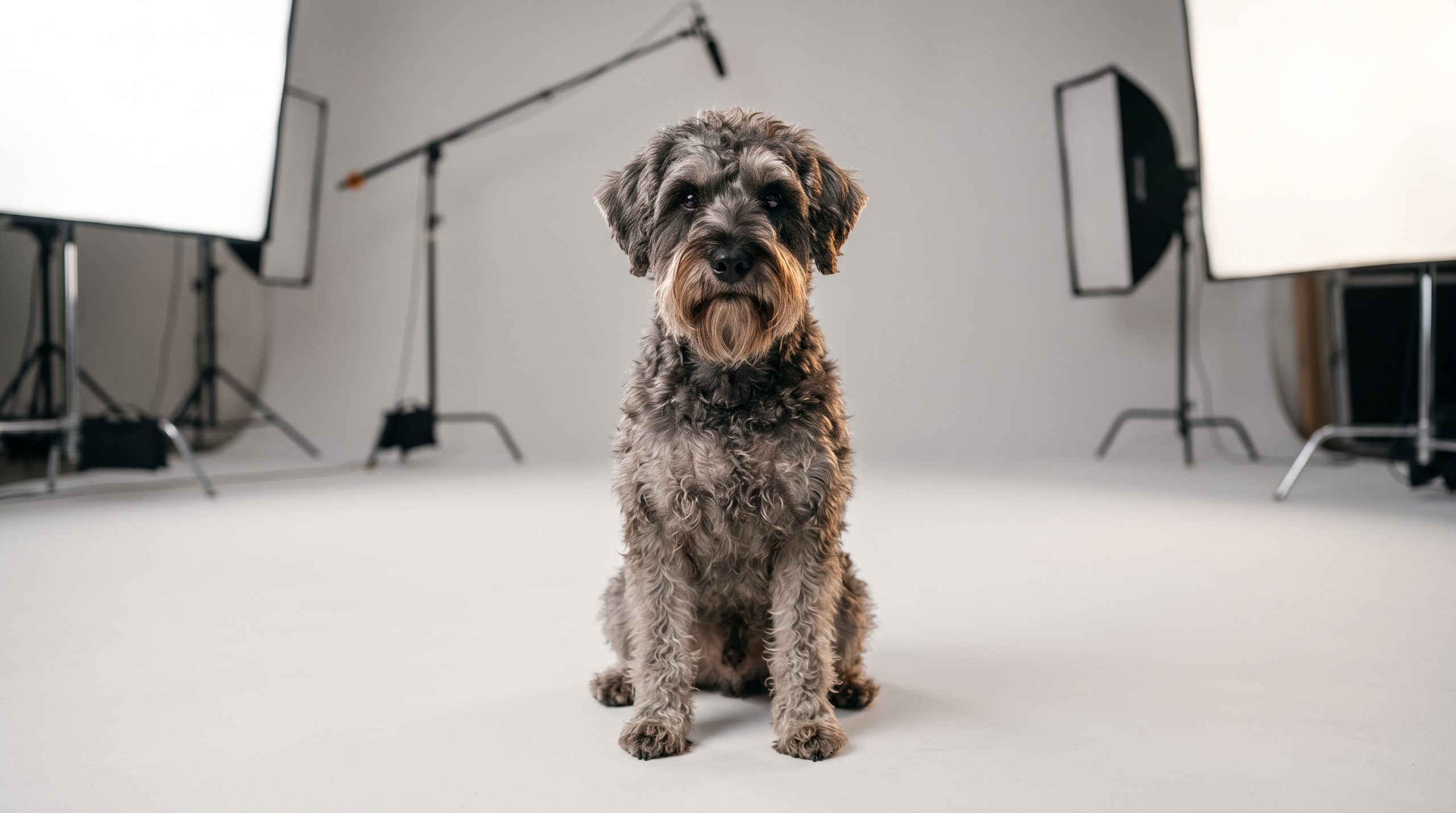
The Schnoodle is a Miniature Schnauzer crossed with a Poodle: a clever, playful, low-shedding dog that usually weighs 5 to 14 kg and lives 12 to 15 years. It needs an hour of activity a day, regular grooming and a lower-fat diet to protect against pancreatitis.

Intelligence Rank (est.) #7
Size Profile
5-14kg
Care Intensity Medium-High
Lifespan
12-15 years
Energy
Moderate-High
Trainability
4/5
Grooming
High
Family Fit
Good
Exercise
60 min/day

// COMMON HEALTH PROBLEMS

Pancreatitis

MODERATE

Condition requiring veterinary monitoring

Test: Vet Assessment

Hyperlipidaemia

MODERATE

Condition requiring veterinary monitoring

Test: Vet Assessment

Diabetes Mellitus

MODERATE

Condition requiring veterinary monitoring

Test: Vet Assessment

Urolithiasis

MODERATE

Condition requiring veterinary monitoring

Test: Vet Assessment

Patellar Luxation

MODERATE

Condition requiring veterinary monitoring

Test: Vet Assessment

Progressive Retinal Atrophy

LOW (TESTED)

Genetic eye disease causing vision loss

Test: DNA Test

// FIRST-YEAR COST ESTIMATOR

Input Variables
Buying Cost
$2,000$10,000
Setup & Supplies $1,500
$500$3,000
Grooming Frequency 6 weeks
4 wks (high maint)12 wks (low maint)
Annual Breakdown
First Year Total
Includes food, vet, grooming, supplies
Council Registration (VIC Baseline)
Mandatory Age3 Months
Desexed Fee$45 - $60 AUD
Intact Fee$160 - $210 AUD

// LIFETIME COST

Baseline Scenario
$22,680
Minimum allocation over 12 years
Extended Scenario
$50,580
Extended care over 12+ years

A small Schnoodle is inexpensive to feed, but grooming about every six weeks is one of the biggest ongoing costs over a 12 to 15 year life. The main health cost to plan for is pancreatitis, which can need hospital treatment. Budget about $1,120 a year for vet costs and set aside about $1,300 a year for unexpected bills.

// IS THIS BREED RIGHT FOR YOU?

ThinkPets ratings are our editorial judgement from the breed's size, energy, trainability, temperament and care needs. They are not measured outcomes or probabilities. How we rate

Apartment Living
Excellent
Families w/ Kids
Excellent
First-Time Owners
Excellent
Active Lifestyle
Good
Interactive Suitability Assessment

Answer these questions to calculate your personal compatibility score with Schnoodles.

How much time can you dedicate to exercise daily?
What size is your yard/living space?
Hours the dog will be alone daily?
Your Compatibility
—%

Select options to calculate your compatibility.

// BREED FACTS

Grooming

Coat Type
Wavy to wiry, low-shedding
Shedding Level
Low
Home Brushing
Brush 2 to 3 times a week
Professional Grooming
Every 6 weeks
~$75 per session

Exercise

Energy Level
Moderate-High
Daily Requirement
60+ minutes
Activity Type
Walks, play sessions
Mental Stimulation
High (puzzles, training)

Diet

Daily Intake
1 to 2 cups
Split into 2 meals
Obesity Risk
Moderate
Monthly Food Cost
$40 - $90
Premium dry food
Special Considerations
Standard diet

// 01 Breed Profile

The Schnoodle is a cross between a Schnauzer, usually a Miniature Schnauzer, and a Poodle. Most Schnoodles in Australia are small, weighing 5 to 14 kg, but a cross with a Standard Poodle or Standard Schnauzer can be much larger. It is a crossbreed, so Dogs Australia does not register it as a breed, and size and coat vary even within a litter.

Both parents are among the most trainable breeds, so Schnoodles learn quickly and enjoy training, games and puzzle toys. They are alert and can be vocal, which makes them good watchdogs but means barking needs managing. They need about an hour of exercise and play a day.

The coat can be wavy like a Poodle’s or wiry like a Schnauzer’s. Either way it sheds little but needs brushing a few times a week and a professional clip about every six weeks.

The most important health issue comes from the Miniature Schnauzer side: a tendency to high blood fats, which raises the risk of pancreatitis, diabetes and bladder stones. A lower-fat diet and no fatty scraps are the best everyday protection. Progressive retinal atrophy and kneecap problems can come from either parent.

// 02 Health Considerations

Pancreatitis is the most serious common risk: avoid fatty foods and table scraps, keep your dog lean, and see a vet promptly for vomiting, a painful belly or loss of appetite. Ask your vet about checking blood fats if your Schnoodle has repeated tummy upsets. Bladder stones show up as straining or blood in the urine. Progressive retinal atrophy can be ruled out with a DNA test of the parents, and kneecaps should be checked by a vet.

// 03 Care Requirements

Brush two to three times a week, book a clip about every six weeks, and pluck or trim hair inside the ears to reduce infections. Feed a measured, lower-fat diet. Give an hour of exercise and play a day, with short training sessions to keep a clever dog occupied.

// 04 FAQs

Most Schnoodles in Australia weigh 5 to 14 kg, bred from a Miniature Schnauzer and a Toy or Miniature Poodle. Crosses with a Standard Poodle can be much bigger. The parents’ weights are the best guide to your puppy’s adult size.

Most live 12 to 15 years. A lower-fat diet, keeping your dog lean and regular vet checks help prevent the problems that most often shorten their lives.

Very little. Their wavy or wiry coat holds loose hair, but they are not hypoallergenic, and they need regular brushing and a professional groom about every six weeks.

The most important is a tendency to high blood fats from the Miniature Schnauzer side, which raises the risk of pancreatitis, diabetes and bladder stones. Progressive retinal atrophy and kneecap problems can come from either parent.

Miniature Schnauzers often have high levels of fat in the blood, and some Schnoodles inherit this. A fatty meal can trigger pancreatitis, a painful illness that may need hospital care, so avoid fatty scraps and choose a moderate- or lower-fat food.

Yes. Both parents are among the most trainable breeds. Short, reward-based sessions work best, and training also helps manage their tendency to bark.

About an hour a day of walks, play and training. They enjoy fetch, scent games and agility, and get bored without mental exercise.

Usually, yes. They are playful and affectionate. Supervise young children with smaller Schnoodles, which can be injured by rough play.

Food is inexpensive for a small dog, but grooming every six weeks adds up, and pancreatitis can be costly to treat. Use the calculator on this page to see a first-year and lifetime estimate with your own puppy price.

Ask to meet the mother, see DNA results for progressive retinal atrophy and a vet check of the kneecaps for both parents, and ask how the parents are fed. In Victoria, check the advertisement shows a source number.