Home Breed Hub Gear Reviews Methodology Full Breed Index
Lhasa Apso
Purebred — Tibet

Lhasa Apso

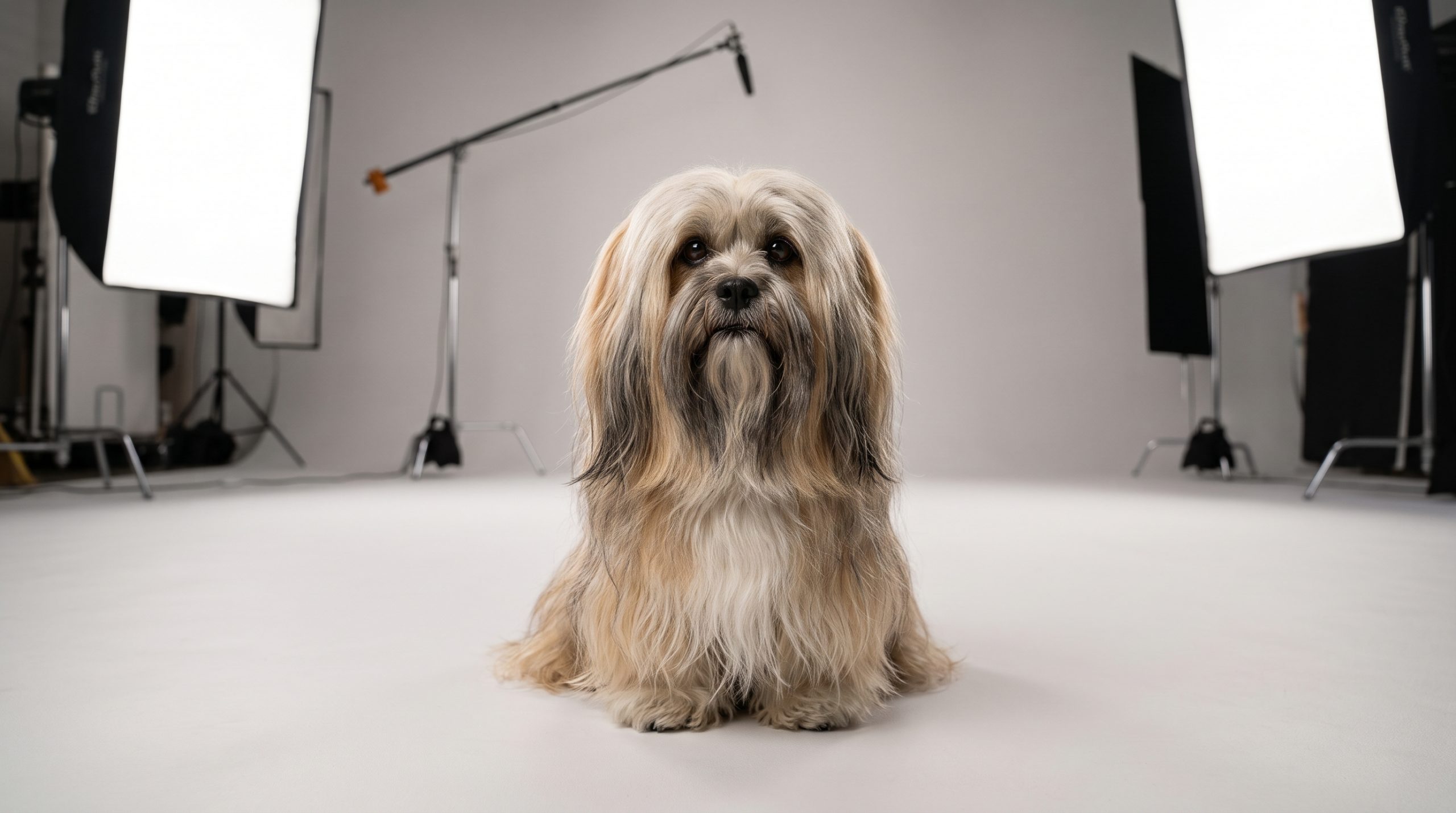
The Lhasa Apso is a small, sturdy Tibetan breed of about 5 to 8 kg that often lives 12 to 15 years or more. Loyal to its family but wary of strangers, it is an alert watchdog, needs only moderate exercise, and has a long coat that needs daily brushing or a regular clip.

Intelligence Rank #68
Size Profile
5-8kg
Care Intensity Medium
Lifespan
12-15 years
Energy
Low-Moderate
Trainability
2/5
Grooming
High
Family Fit
Moderate
Exercise
30 min/day

// COMMON HEALTH PROBLEMS

Dry Eye (KCS)

MODERATE

Condition requiring veterinary monitoring

Test: Vet Assessment

Cherry Eye

MODERATE

Condition requiring veterinary monitoring

Test: Vet Assessment

Familial Kidney Disease (renal Dysplasia)

MODERATE

Condition requiring veterinary monitoring

Test: Vet Assessment

Patellar Luxation

MODERATE

Condition requiring veterinary monitoring

Test: Vet Assessment

Dental Disease

MODERATE

Condition requiring veterinary monitoring

Test: Vet Assessment

Progressive Retinal Atrophy

LOW (TESTED)

Genetic eye disease causing vision loss

Test: DNA Test

// FIRST-YEAR COST ESTIMATOR

Input Variables
Buying Cost
$2,000$10,000
Setup & Supplies $1,500
$500$3,000
Grooming Frequency 6 weeks
4 wks (high maint)12 wks (low maint)
Annual Breakdown
First Year Total
Includes food, vet, grooming, supplies
Council Registration (VIC Baseline)
Mandatory Age3 Months
Desexed Fee$45 - $60 AUD
Intact Fee$160 - $210 AUD

// LIFETIME COST

Baseline Scenario
$20,260
Minimum allocation over 12 years
Extended Scenario
$45,760
Extended care over 12+ years

A Lhasa Apso is inexpensive to feed, but professional grooming about every six weeks is one of the biggest ongoing costs over a life that often passes 15 years. The main health costs to plan for are eye treatment, which can be lifelong, and kidney or skin problems. Budget about $1,040 a year for vet costs and set aside about $1,200 a year for unexpected bills.

// IS THIS BREED RIGHT FOR YOU?

ThinkPets ratings are our editorial judgement from the breed's size, energy, trainability, temperament and care needs. They are not measured outcomes or probabilities. How we rate

Apartment Living
Excellent
Families w/ Kids
Good
First-Time Owners
Fair
Active Lifestyle
Fair
Interactive Suitability Assessment

Answer these questions to calculate your personal compatibility score with Lhasa Apsos.

How much time can you dedicate to exercise daily?
What size is your yard/living space?
Hours the dog will be alone daily?
Your Compatibility
—%

Select options to calculate your compatibility.

// BREED FACTS

Grooming

Coat Type
Long, straight and heavy double coat
Shedding Level
Low
Home Brushing
Brush daily (long coat) or weekly (puppy clip)
Professional Grooming
Every 6 weeks
~$75 per session

Exercise

Energy Level
Low-Moderate
Daily Requirement
30+ minutes
Activity Type
Walks, play sessions
Mental Stimulation
Moderate

Diet

Daily Intake
0.75 to 1.25 cups
Split into 2 meals
Obesity Risk
Moderate
Monthly Food Cost
$25 - $75
Premium dry food
Special Considerations
Standard diet

// 01 Breed Profile

The Lhasa Apso comes from Tibet, where it was kept in monasteries and homes as an indoor sentinel that barked at strangers. It is a small but sturdy dog, standing about 25 cm at the shoulder and weighing about 5 to 8 kg, with a long, heavy coat that covers the eyes and reaches the ground if left long.

Lhasas are confident, independent and loyal to their family, but naturally suspicious of strangers. They make excellent watchdogs and will bark to announce visitors. They are not as eager to please as many small breeds, so training takes patience, consistency and rewards rather than repetition.

Their exercise needs are modest: a couple of short walks and some play each day are enough, which suits apartments, older owners and quieter homes. They do not always tolerate rough handling, so they are better with older children than toddlers.

The coat is the big commitment. A full coat needs brushing every day to stop mats forming, so most pet Lhasas are kept in a short "puppy clip" with a professional groom about every six weeks. The main health problems to watch for affect the eyes, kidneys and skin, and the breed is generally long-lived.

// 02 Health Considerations

The eyes need the most attention. Dry eye (keratoconjunctivitis sicca) causes sticky discharge and a dull, sore eye and needs lifelong drops, and a red swelling in the inner corner of the eye can be cherry eye; see a vet early for both. Ask the breeder about eye checks and a DNA test for progressive retinal atrophy. Familial kidney disease (renal dysplasia) can show up in young dogs as excessive drinking and weight loss, so ask whether related dogs have had kidney problems, and ask your vet about blood and urine tests if you notice symptoms. Brush teeth several times a week and have kneecaps checked.

// 03 Care Requirements

Day to day, a Lhasa needs two short walks, some play, daily brushing (or weekly if kept in a short clip), and a quick check of the eyes for discharge. Keep the hair around the eyes trimmed or tied up. Book a professional groom about every six weeks, an annual vet check, and twice-yearly checks once your dog is around eight.

// 04 FAQs

Most adults weigh 5 to 8 kg and stand about 25 cm at the shoulder. Females are usually a little smaller than males.

Most live 12 to 15 years and many live longer. Good eye care, dental care and keeping your dog lean help it stay healthy into old age.

Not fully. They shed very little because the hair grows long and is caught in the coat, which some people with mild allergies tolerate better. No dog is truly allergen-free, so spend time with the breed before committing.

They are loyal family dogs but do not like rough handling, and some will snap if pestered. They are best with older, gentle children and adults.

They are natural watchdogs and will bark at visitors and unfamiliar sounds. Early socialisation and teaching a quiet cue help keep barking under control.

They are intelligent but independent, so they can be stubborn. Short, reward-based training sessions work best. Be patient with house-training.

A full coat needs brushing every day. Most pet owners choose a short puppy clip, which needs a weekly brush and a professional groom about every six weeks.

Dry eye, cherry eye and progressive retinal atrophy are the main ones. See your vet promptly for discharge, redness, squinting or a swelling in the corner of the eye.

Yes. They are small, need only moderate exercise and are happy indoors, though their barking at noises may need managing in close quarters.

Food is cheap, but grooming every six weeks adds up, and eye problems can need lifelong treatment. Use the calculator on this page to see a first-year and lifetime estimate with your own puppy price.