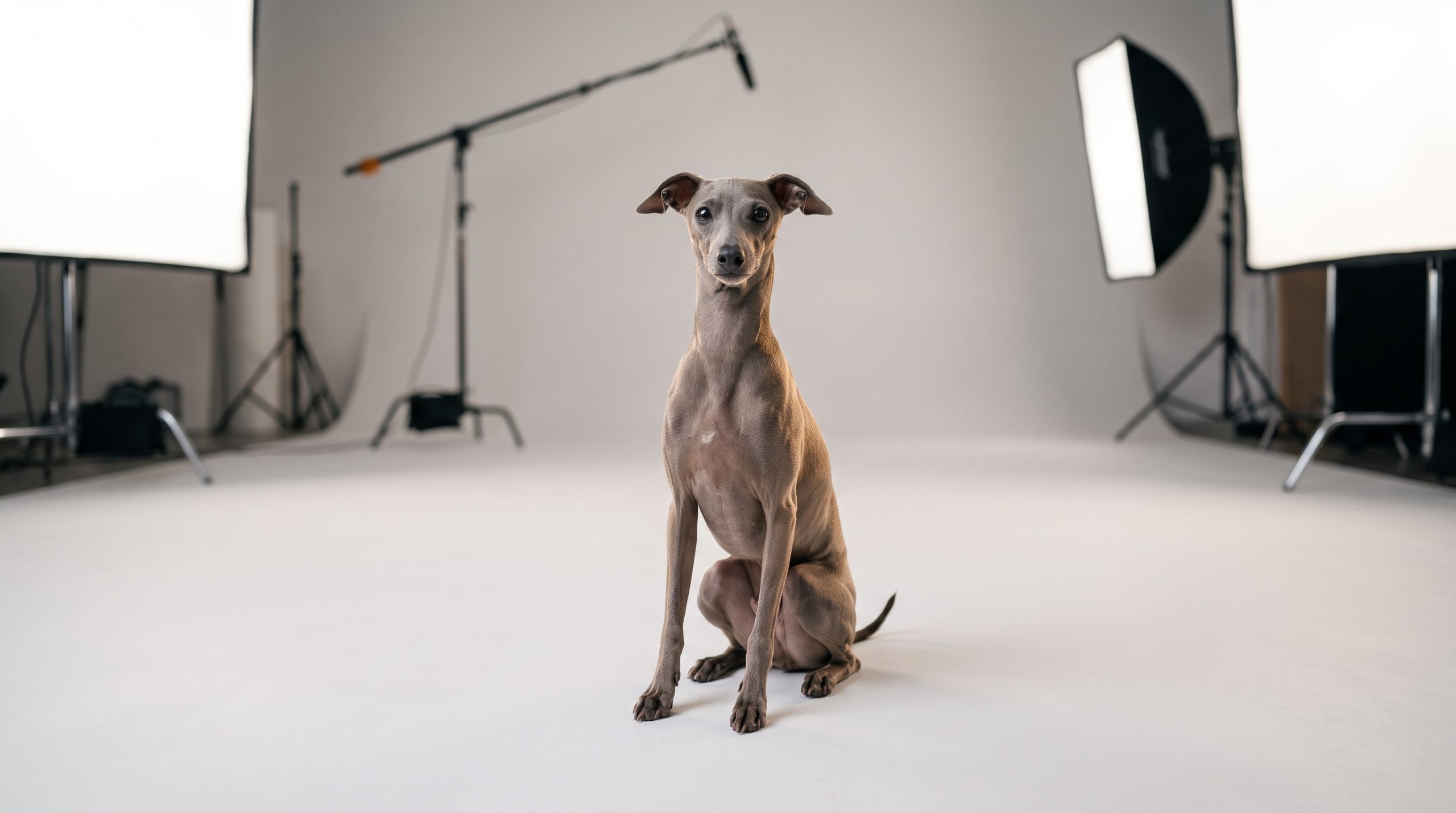
The Italian Greyhound, or Iggy, is a tiny sighthound of about 3.5 to 8 kg that usually lives 13 to 15 years. Gentle and affectionate, it loves warmth and company, needs a short daily sprint, and is prone to dental disease and broken legs, so it suits calm, careful homes.
An Italian Greyhound is cheap to feed and groom over a 13 to 15 year life. The costs to plan for are dental care, including professional cleaning and extractions under anaesthetic, and the risk of a broken leg, which often needs surgery to repair. Budget about $1,040 a year for vet costs and set aside about $1,200 a year for unexpected bills.
// IS THIS BREED RIGHT FOR YOU?
ThinkPets ratings are our editorial judgement from the breed's size, energy, trainability, temperament and care needs. They are not measured outcomes or probabilities. How we rate
Apartment Living
Excellent
Families w/ Kids
Good
First-Time Owners
Good
Active Lifestyle
Fair
Interactive Suitability Assessment
Answer these questions to calculate your personal compatibility score with Italian Greyhounds.
How much time can you dedicate to exercise daily?
What size is your yard/living space?
Hours the dog will be alone daily?
Your Compatibility
—%
Select options to calculate your compatibility.
// BREED FACTS
Grooming
Coat Type
Very short, fine and glossy
Shedding Level
Low
Home Brushing
Wipe or brush weekly
Professional Grooming
Every 12 weeks
~$45 per session
Exercise
Energy Level
Moderate
Daily Requirement
40+ minutes
Activity Type
Walks, play sessions
Mental Stimulation
Moderate
Diet
Daily Intake
0.5 to 1 cup
Split into 2 meals
Obesity Risk
Low
Monthly Food Cost
$20 - $70
Premium dry food
Special Considerations
Standard diet
// 01 Breed Profile
The Italian Greyhound is the smallest of the sighthounds: a miniature, slender greyhound standing about 32 to 38 cm at the shoulder and weighing about 3.5 to 8 kg. It is often called the Iggy. Despite its delicate build it is a true hound, fast and agile, and it loves a short, flat-out run.
Iggies are affectionate, gentle and sensitive dogs that bond closely with their owners and like to be close by, often under a blanket. They can be reserved with strangers. They are playful but not hyperactive, and most spend much of the day asleep once they have had their exercise.
Two things catch new owners out. First, Iggies are notoriously slow to house-train, especially in cold or wet weather, so expect to be patient and consistent. Second, their fine legs break easily, particularly in young dogs jumping from furniture or arms, so they are not a good match for homes with boisterous toddlers.
The short, thin coat sheds little and needs almost no grooming, but it gives no protection from cold, so most Iggies need a jumper or coat in winter. The most common health problem is dental disease, which makes daily tooth brushing essential.
// 02 Health Considerations
Dental disease is the most common problem in Italian Greyhounds and can lead to early tooth loss, so brush teeth daily from puppyhood and have your vet check them at every visit. To reduce the risk of broken legs, especially under 18 months, discourage jumping from furniture, use ramps or steps, and keep your Iggy away from rough play with larger dogs. Ask the breeder about eye checks and a DNA test for progressive retinal atrophy, and have kneecaps checked. Like other sighthounds, Iggies can be sensitive to some anaesthetics, so make sure your vet knows the breed before any procedure.
// 03 Care Requirements
Day to day, an Italian Greyhound needs a daily walk and a safe place to sprint, daily tooth brushing, a warm bed and a coat in cold weather. Keep it on lead or in a securely fenced area, because a running Iggy can chase and outrun recall. Book an annual vet check with a dental exam, and twice-yearly checks once your dog is around eight.
// 04 FAQs
Most adults weigh 3.5 to 8 kg and stand about 32 to 38 cm at the shoulder. They are fully grown at around 12 months.
Most Italian Greyhounds live 13 to 15 years, and some reach their late teens. Daily tooth brushing and protecting young dogs from leg injuries make the biggest difference to a long, healthy life.
They are more prone than most breeds, especially between about 4 and 18 months old. Most breaks happen when they jump from furniture or out of someone's arms. Ramps, steps and supervising play with larger dogs reduce the risk.
They have a reputation for it. Many dislike going outside in cold or wet weather. Take them out often, reward them every time, and consider a covered toileting area. Most get there with patience.
They are gentle and affectionate, but their fragile legs make them a poor match for toddlers or rough play. They do best with older, calm children who can handle a small dog carefully.
Most do in winter. Their coat is very short and they have little body fat, so they feel the cold quickly. A jumper for walks and a warm, covered bed indoors keep them comfortable.
Very little. Their coat is short and fine and needs almost no grooming, but they are not hypoallergenic.
Yes. Iggies are quiet, small and sleep a lot, so they suit apartments well, as long as they get a daily walk and a chance to run safely, and are not left alone all day.
Only in a securely fenced area. They are sighthounds with a strong urge to chase anything that moves, and they are fast enough to outrun most recall training.
Food and grooming are cheap, but dental cleaning and the risk of a broken leg are the main costs to plan for. Use the calculator on this page to see a first-year and lifetime estimate with your own puppy price.